LumaWrap reviews
If you came here looking for a wall of five-star quotes, we have not got any yet — and we would rather say so than invent them.
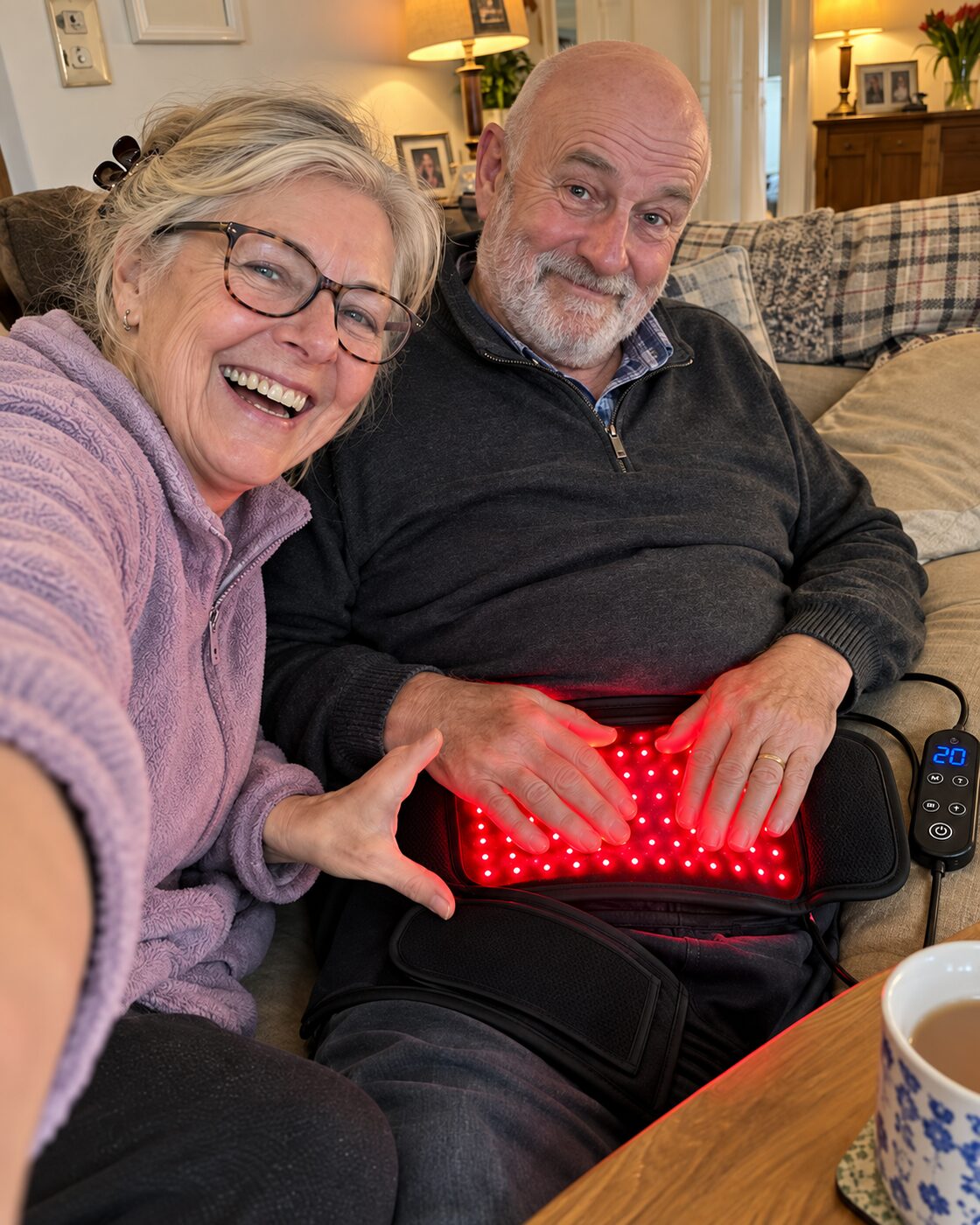
Why there are no reviews on this page
LumaWrap has only just launched in the United Kingdom. Publishing testimonials we had written ourselves would be misleading, and under UK consumer protection rules it would also be illegal. So this page will stay empty of ratings until real customers have sent theirs in.
If you have bought a LumaWrap, please tell us how you got on — good or bad. We will publish what comes in, including the critical ones.
What you can reasonably expect, week by week
Rather than quotes, here is the honest timeline we give every customer, based on how red and near-infrared light therapy is generally reported to work:
- Days 1 to 3: a pleasant warmth during the session and usually nothing else. This is the point where most people give up on red light therapy.
- Days 7 to 14: the first thing people tend to notice is not less pain but less stiffness — getting out of a chair or off the stairs feels slightly easier.
- Weeks 4 to 6: if it is going to work for you, this is where the change becomes obvious enough that you would notice missing a few days.
That timeline is exactly why the guarantee runs for 90 days rather than 30. You need long enough to find out.
How to judge it fairly
- Use it on bare skin. Over clothing, most of the light never reaches you.
- Twenty minutes daily on the same spot. Skipping days is the usual reason it fails.
- Keep a rough note each Sunday of how the joint felt that week. Memory flatters.
- Give it six weeks before deciding. You have ninety.
Judging other people’s reviews
If you are comparing red light wraps, be wary of listings with hundreds of reviews and no mention of wavelength, and of “before and after” photos taken in different lighting. The specification is the honest part: ask what wavelengths the panel runs and how long a session lasts. Ours are on the LumaWrap product explainer and the comparison page.